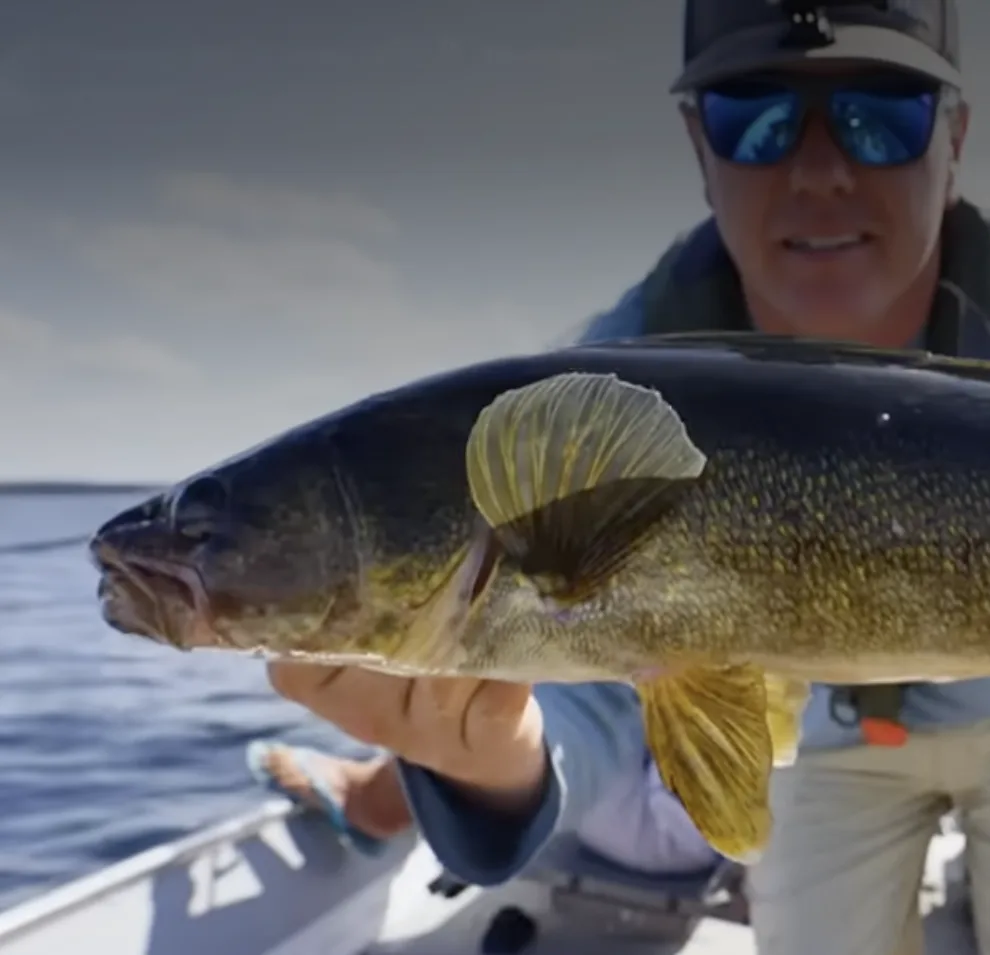
Fly-in walleye fishing · Northwest Ontario
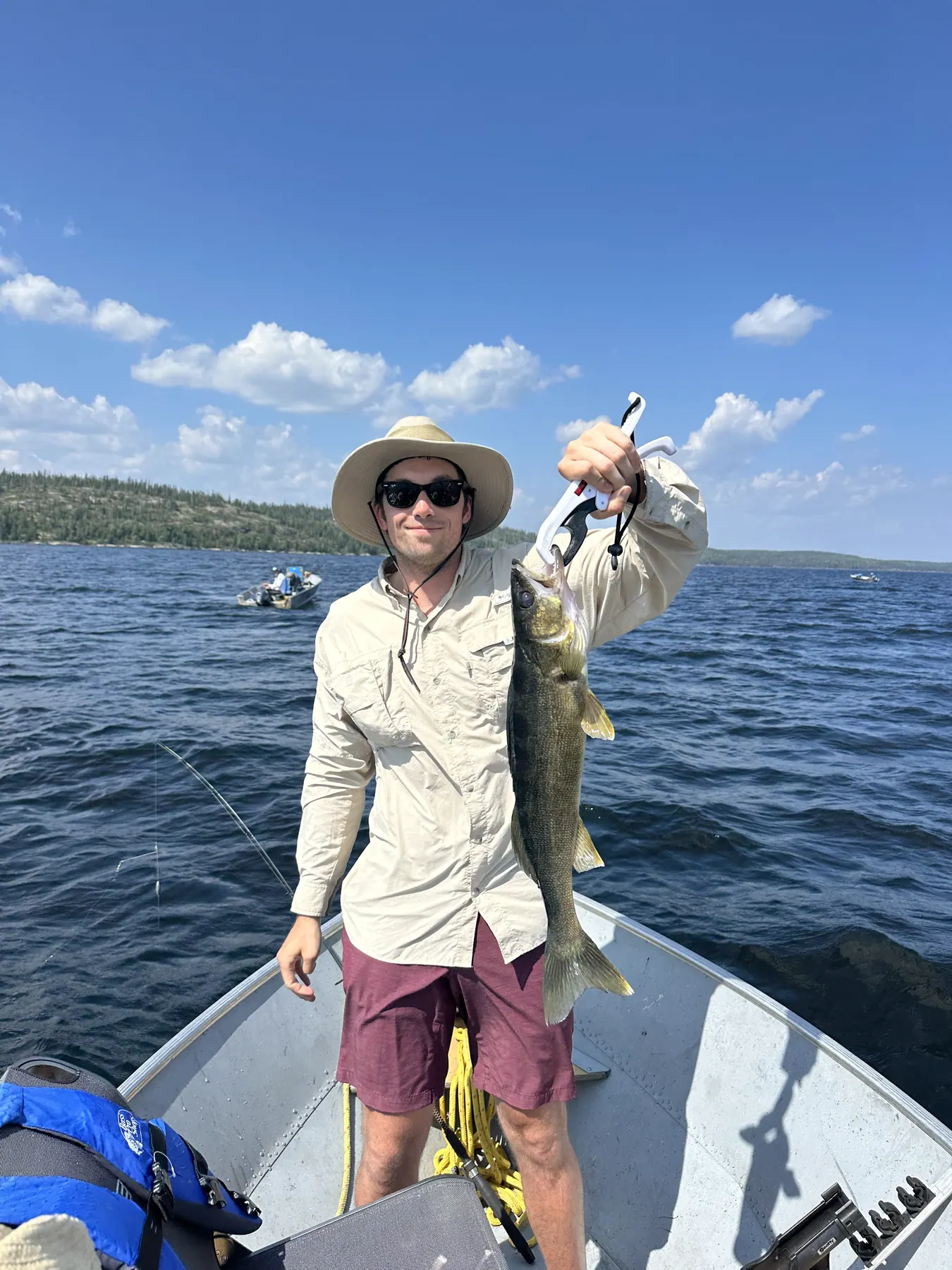
Many schools of hungry walleye, larger average size, and trophies from 27 to 34 inches and up caught and released every season. Thirty minutes by float plane north of Kenora, Ontario.
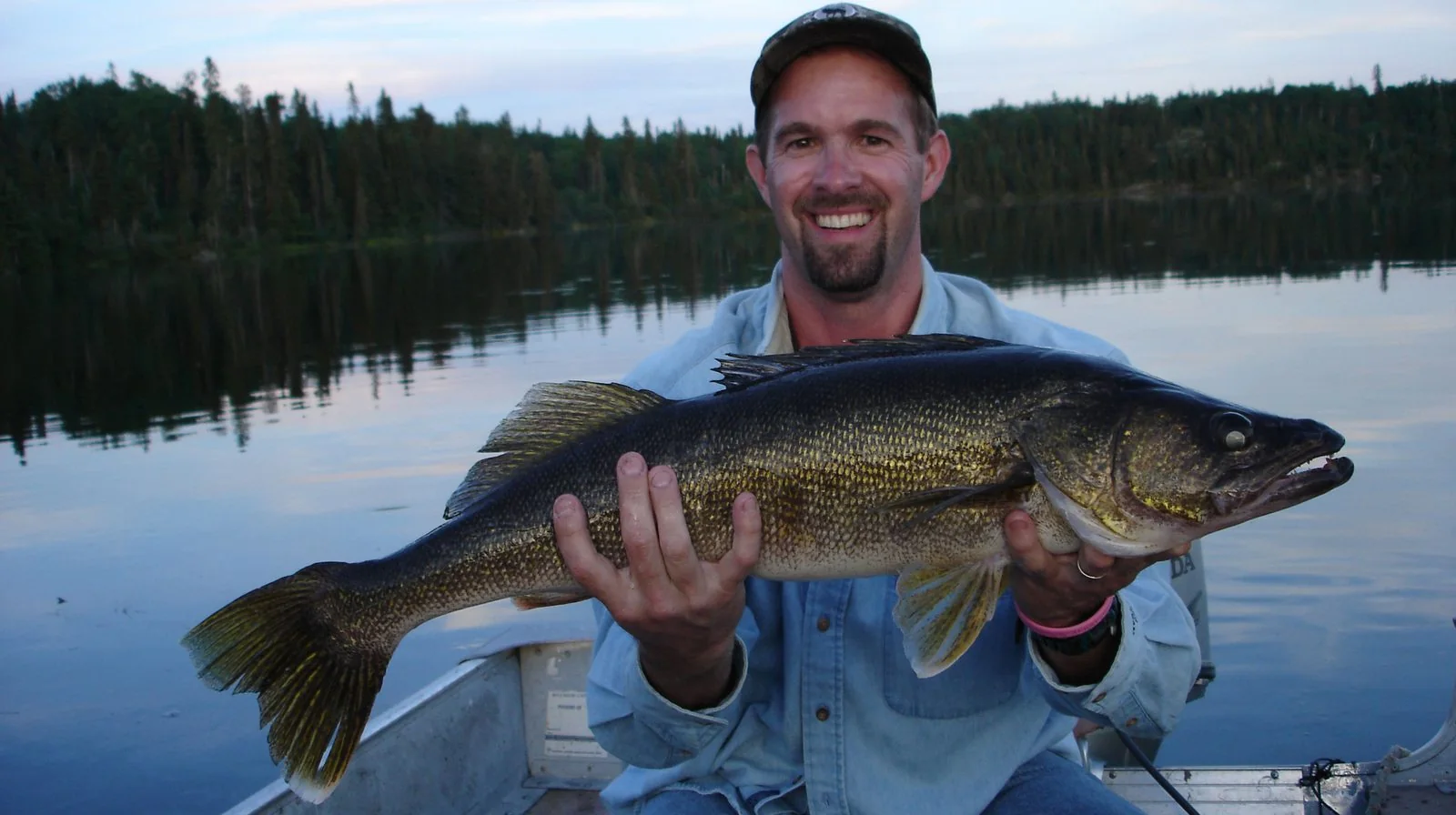
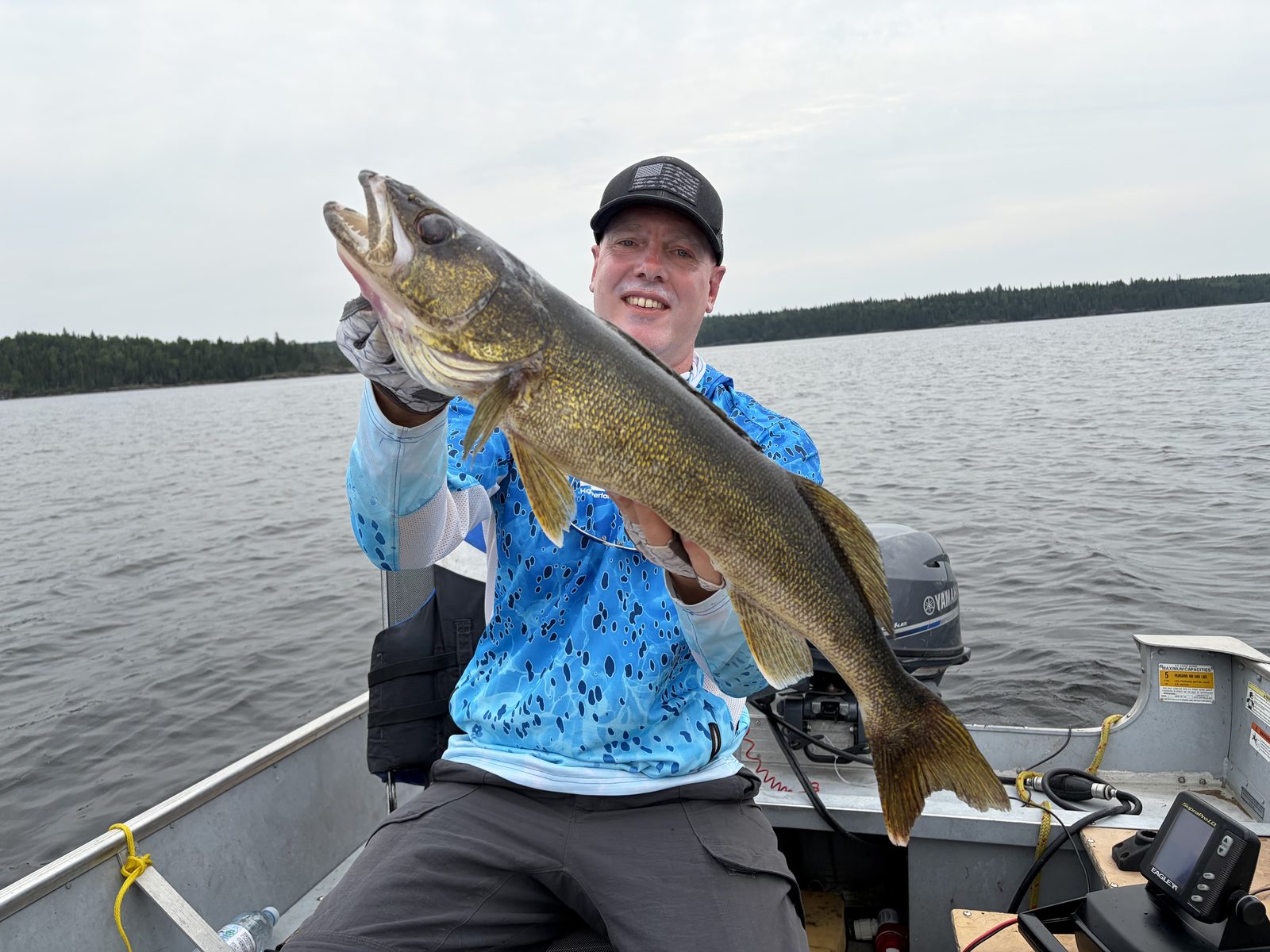
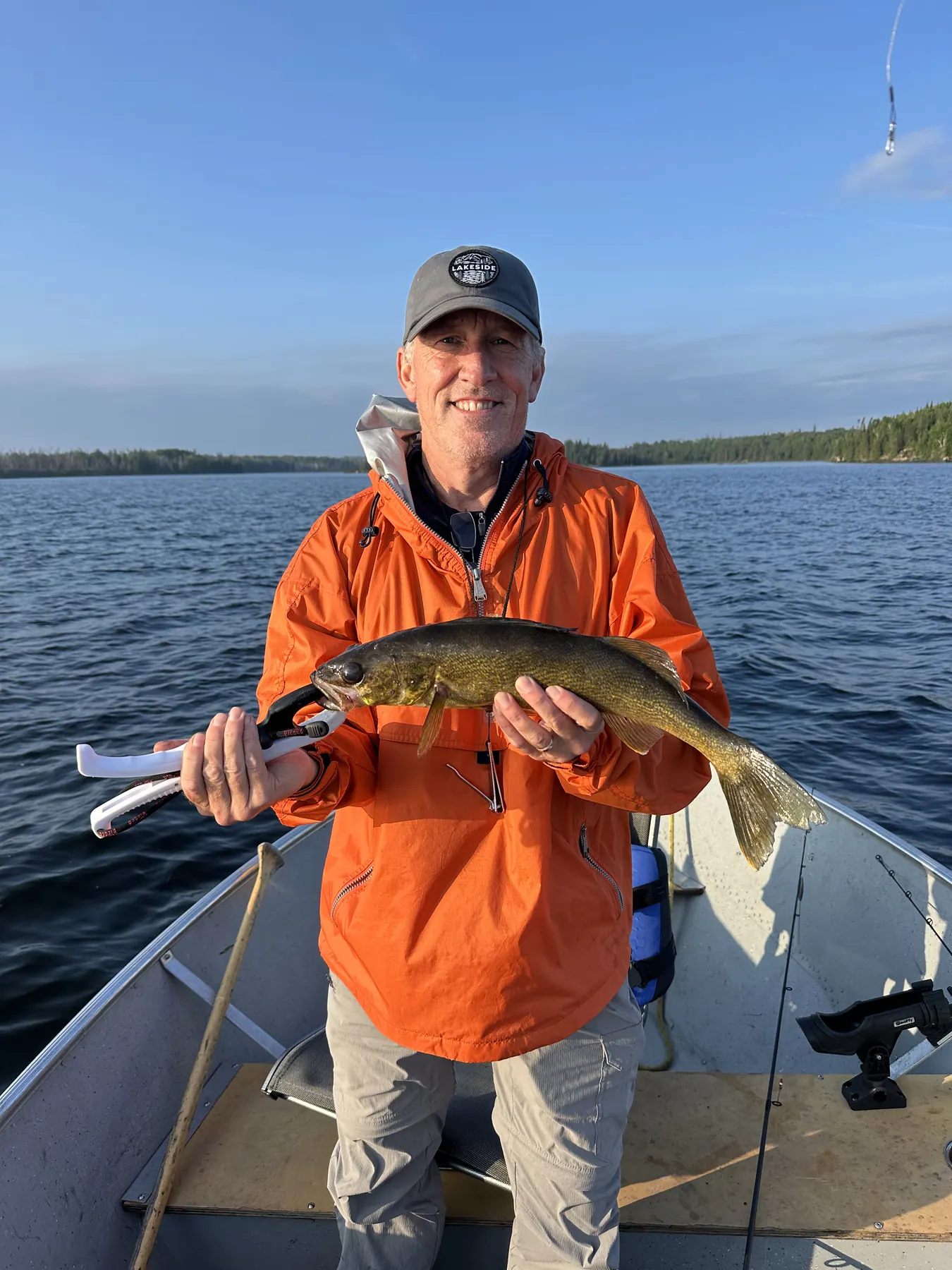
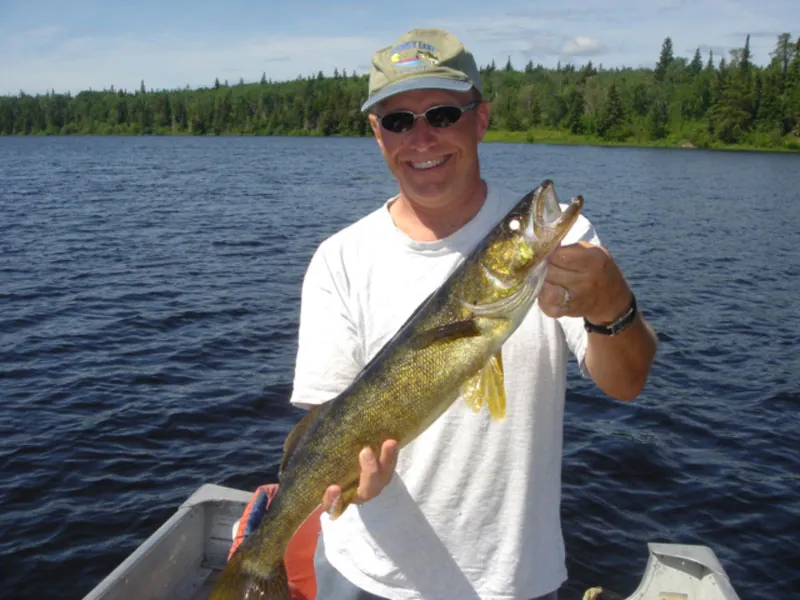
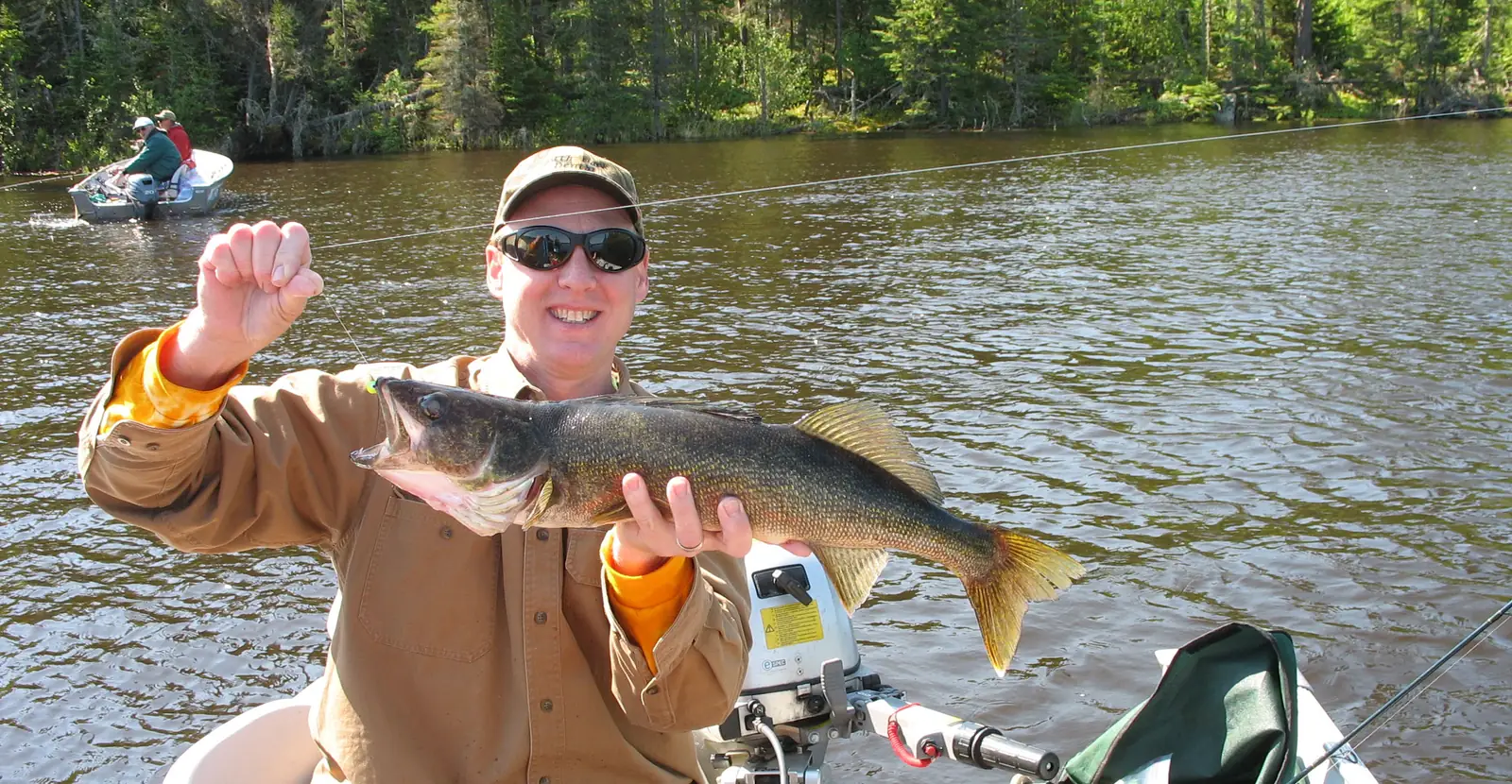
Bob Mangaudis · 31-inch walleye · 2025
50+
walleye days are common
Many anglers catch 50 or more a day. Bring a golf counter if you want to keep score.
17-22"
average walleye range
Some schools average 22" or more. Thick-bodied fish that pull hard.
27–34″+
Trophy Walleye
Released to grow bigger. The biggest run 10 to 14 pounds or more.
100%
Wild & All Natural
No stocking, ever. Our lakes sit near the headwaters, with no development upstream.

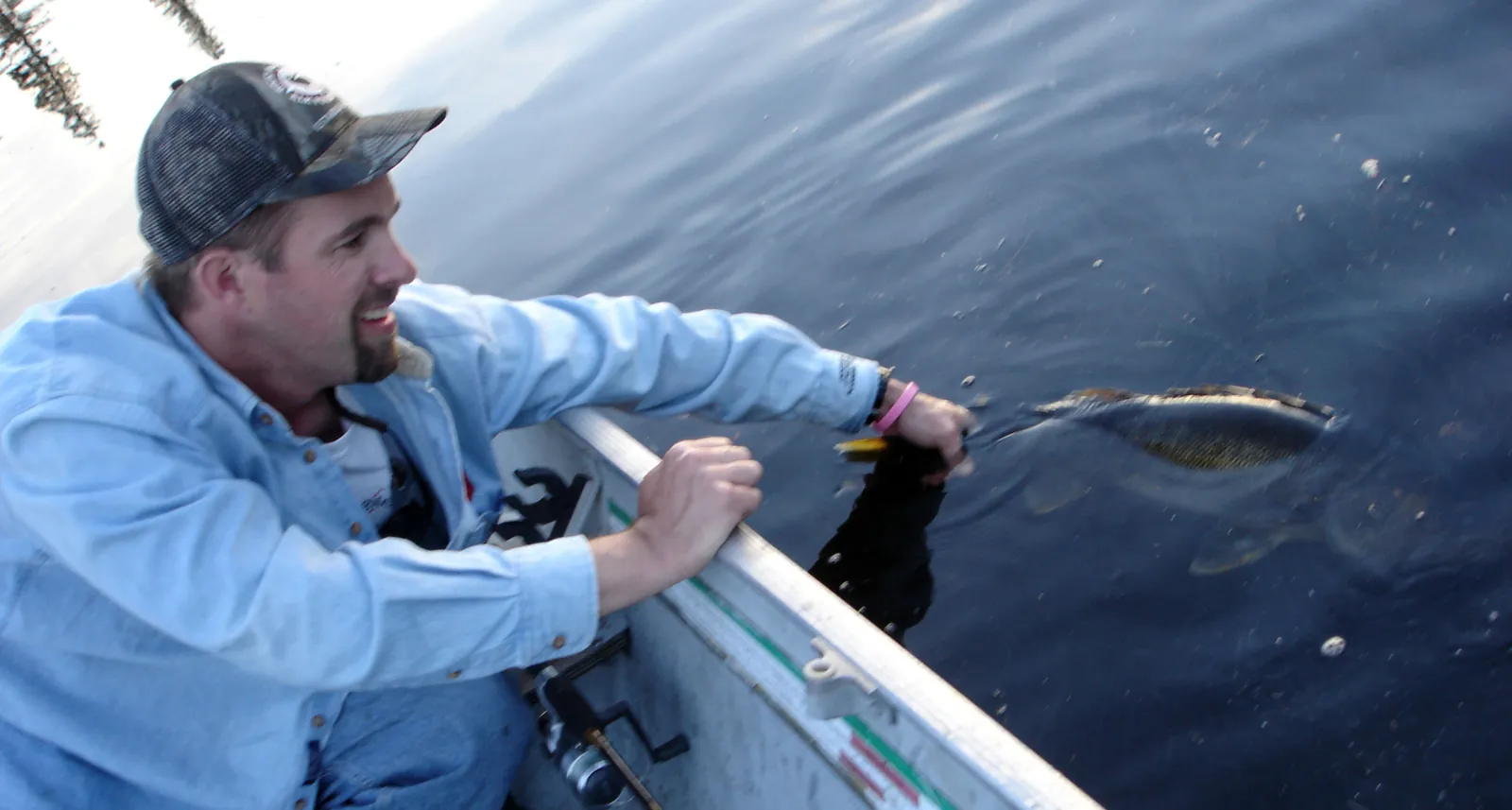
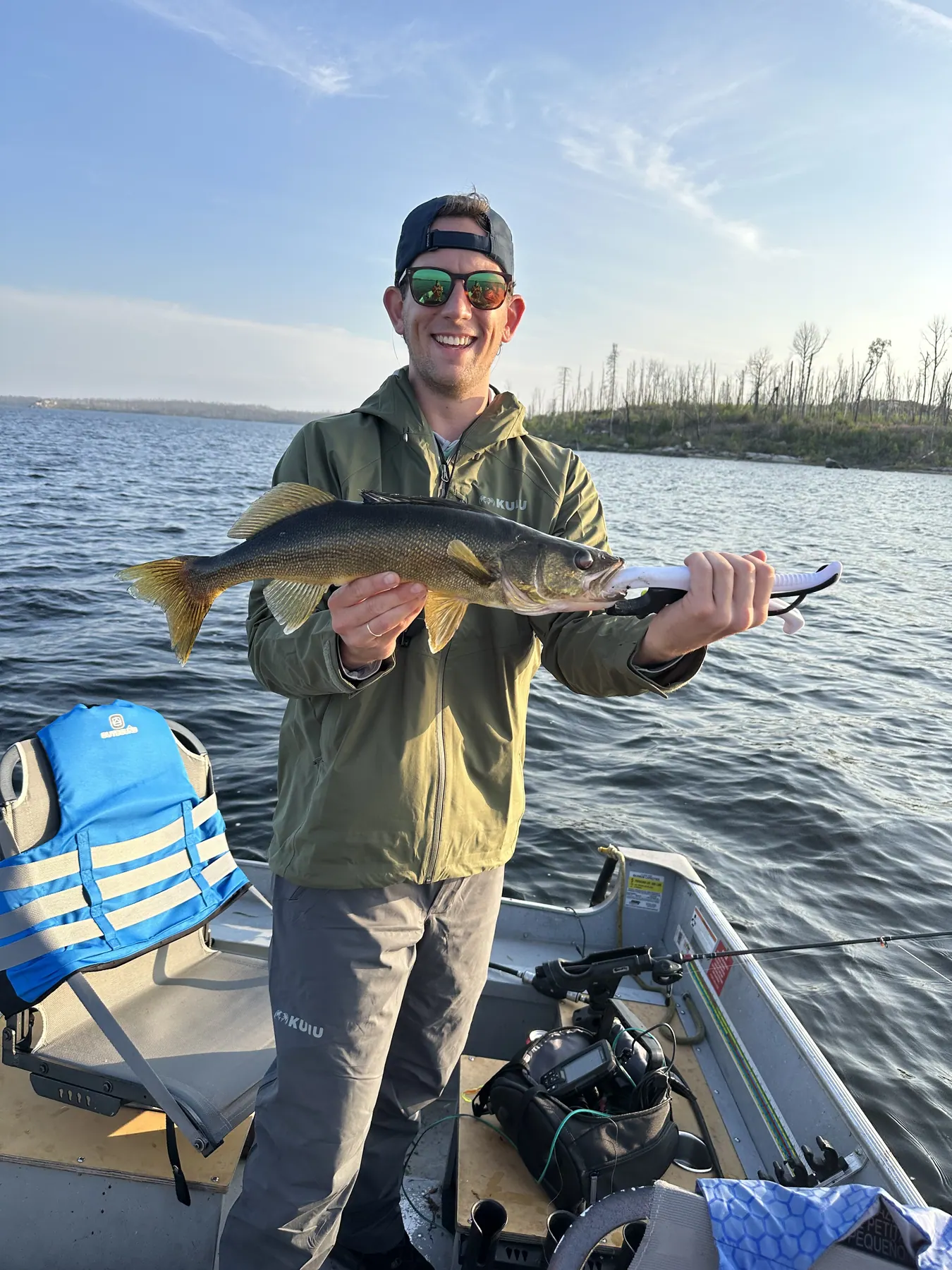






Why they grow big here
Most lakes give walleye one kind of water. Sydney and Kilburn give them both: warm, tea-stained bays and creek mouths where walleye spawn and feed in spring, and a cold, clear main basin up to 240 feet deep, with reefs, humps and drop-offs for the summer.
That deep water is full of cisco (tullibee), a rich, oily baitfish that puts weight on walleye fast. In a federal fisheries study of six northwestern Ontario lakes, the biggest walleye caught came from Sydney Lake, and Sydney’s walleye were among the fastest growing.
And the pressure stays low: one lodge, no roads or cottages, no stocking and conservation fishing since 1987. The trophies go back in the lake and keep growing.
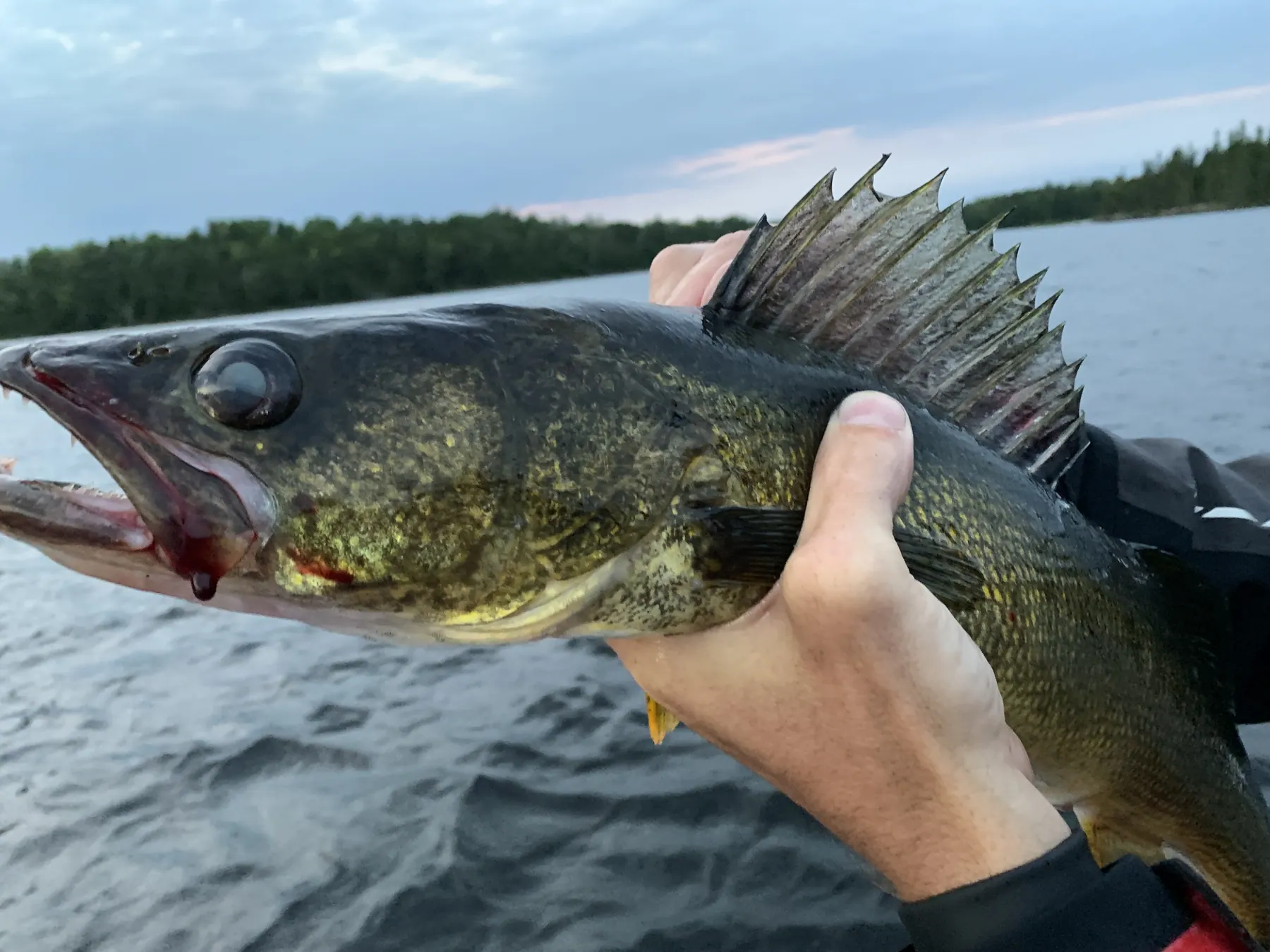
Guests always ask why these walleye fight so hard. Government fisheries scientists put it down to the same mix: shallow water to feed in, and big deep pools to grow in.
Why these lakes →Right at camp
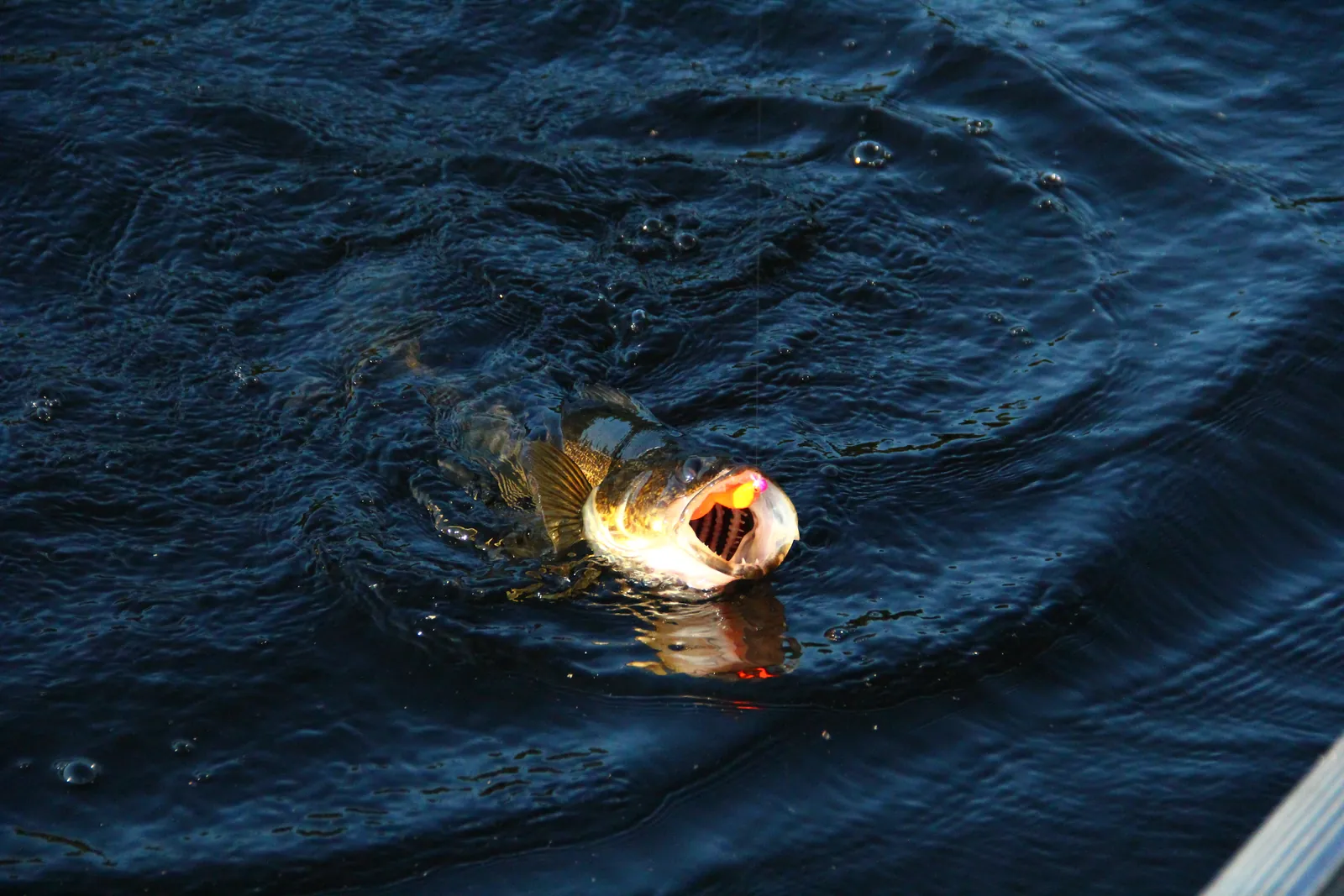
My daughter let a leopard frog go, and a walleye came up from below and took it.
Cisco put the weight on our walleye, but they’ll eat a frog, a leech or a minnow just as fast.
Filmed by my daughter at camp on Sydney Lake.
What you’ll catch
Here’s how a typical week shakes out, measured nose to tail.
15–18″
Eaters. Plenty for shore lunch every day.
18–24″
Fighters. The bulk of the action, and they pull hard.
24–26″
Biggest of the week for most anglers.
27–30″
Trophies, 7 to 10 lb. Caught and released every season.
30–34″+
Fish of the season, 10 to 14 lb+. Landed every year.
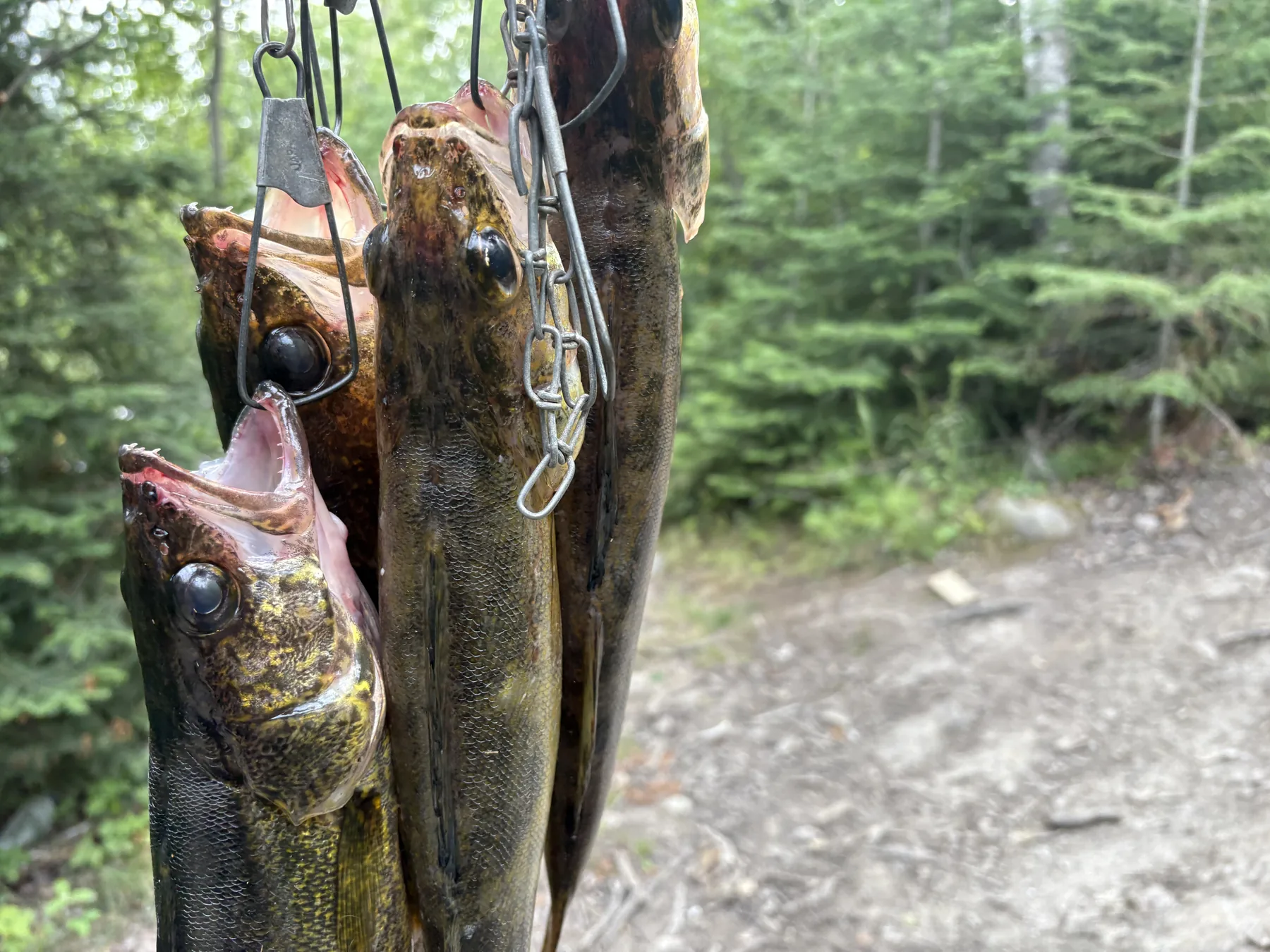
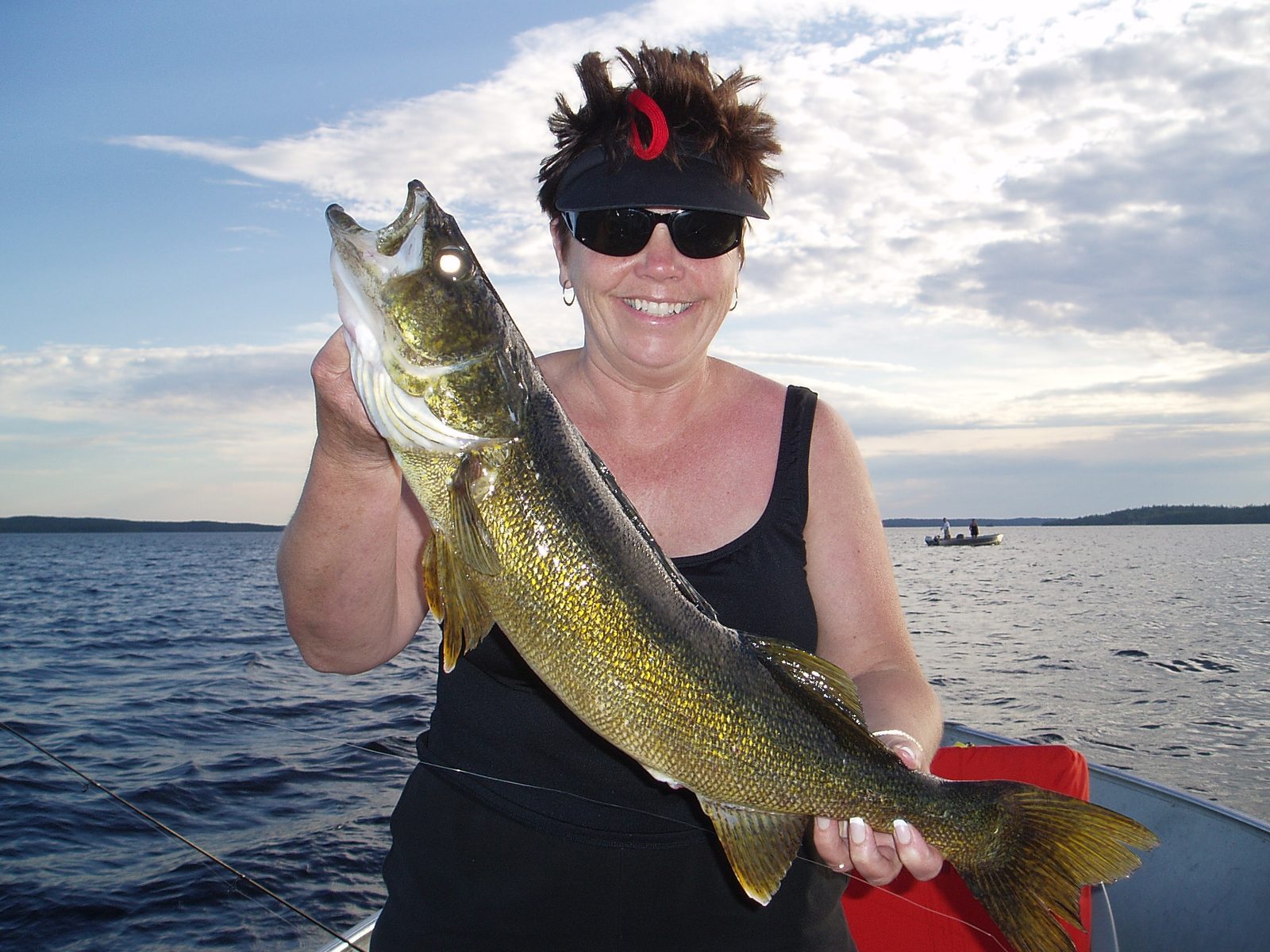
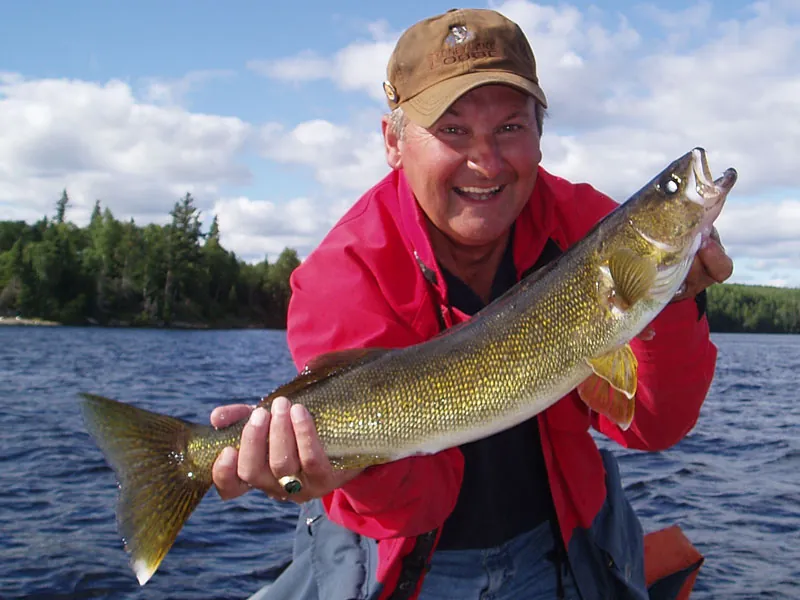
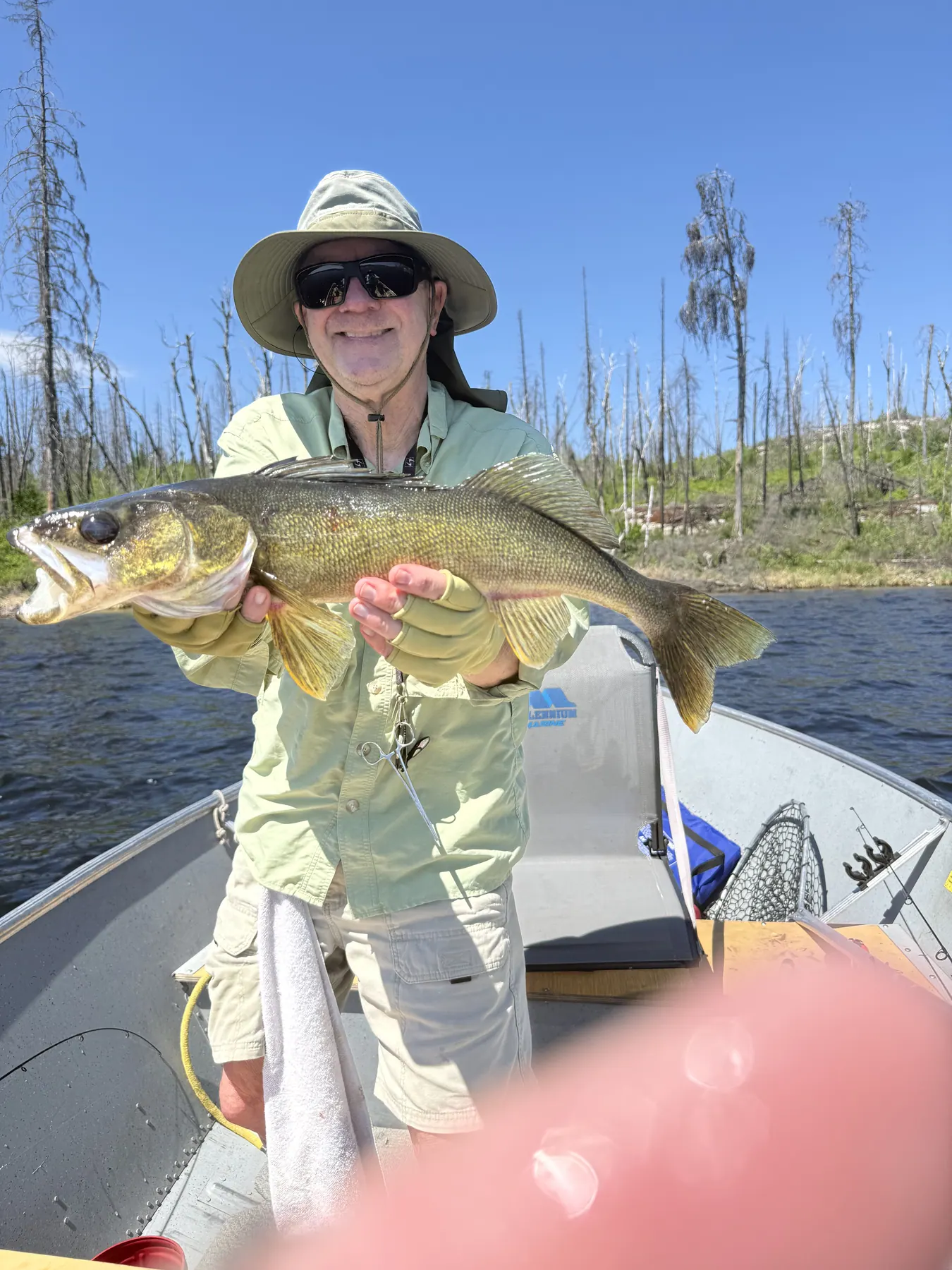
Catch a walleye 27 inches or longer? Register it at camp with a witness and a photo, then let it go. The biggest walleye of the season across Ontario’s Trophy Waters wins a free trip the next year. Most groups catch walleye by the hundreds over a week, so bring a golf stroke counter if you want to keep score. Every fish in our photos was released alive.
When to come
The season opens the third Saturday in May (May 15 in 2027) and runs to September 30. Camp opens the Friday before the opener. The fishing is good all season; what changes month to month is where the walleye are and how deep.
Mid to late May
Water 45–55°F · 3–10 ft
By the opener most walleye have finished spawning in the dark, shallow bays and creek mouths, and they're feeding hard. Look for 50°F water: that’s when the bite turns on. Evenings are best.
Try: 1/8–1/4oz jigs with minnows; crankbaits where shallow meets deep.
June to early July
Water 55–70°F · 6–12 ft
Walleye spread out over the shallow mud flats of tea-stained, protected bays like Mineral, Tranquility and Hansen’s. Troll the shoreline until you hit a school, then anchor and jig.
Try: small jigs with twister tails; spinners trolled in tight circles.
July and August
12–25 ft on reefs and drop-offs
In July they hold deeper in the bays and just off structure. By August they’re on saddles, reefs and deeper humps, and the big ones are putting on weight. Fish mornings and evenings; schools often slide shallow at dusk.
Try: jigs morning and evening, back-trolled spinners midday.
September
23–32 ft on flats, humps and points
After a summer of feeding, the walleye are at their heaviest, and our biggest walleye of 2025, Bob Mangaudis’ 31-incher, came in September. Fish hold 23 to 32 feet down on flats, humps and points next to deep water. By late September you can catch walleye, pike and lake trout without moving the boat.
Try: slow back-trolling on the flats; heavier jigs on the breaks.

Opener and spawn
Ontario's walleye season opens the third Saturday in May: May 15 in 2027. Until then walleye season is closed and camp isn't open, so the fish spawn undisturbed. Camp opens the Friday before the opener, so you can fly in Friday or early Saturday and be on the water for the first morning of the season.
Late April to early May · Season closed
Average ice-out: April 25 to May 10
Sydney Lake usually loses its ice between late April and the second week of May. Pre-spawn walleye hold in 25 to 30 feet of water near creeks and rocky shorelines, packed together and feeding. Walleye fishing is closed and camp isn't open yet.
On the opener: start near the creek mouths where they gathered.
Early to mid May · Season closed
Water 40–45°F · 3–10 ft
Walleye spawn soon after the pike. They run up creeks and into bays like Mineral and Hansen’s to lay eggs on rock and gravel, mostly from dusk to midnight. Dark, shallow water warms first, so fish in different parts of the lake are at different stages. Walleye season stays closed until the spawn is wrapping up.
On the opener: fish evenings along the edges of creek mouths, where late spawners linger.
Opening week
Opener May 15, 2027 · camp opens May 14
The opener is timed to land as the spawn wraps up. The walleye have burned their energy and need to eat, and they're more concentrated than at any other time of year.
Try: 1/8–3/8 oz jigs with minnows in 3–10 ft.
May tips
The magic number: 50°F
Walleye really switch on at 50°F. Dark, shallow bays often run about 10°F warmer than the water at camp, and wind can push warm water into one bay and out of another. Check the temperature a few feet down, not just at the surface.
Try: shallow bays where new cabbage weed is starting.

Where to find them
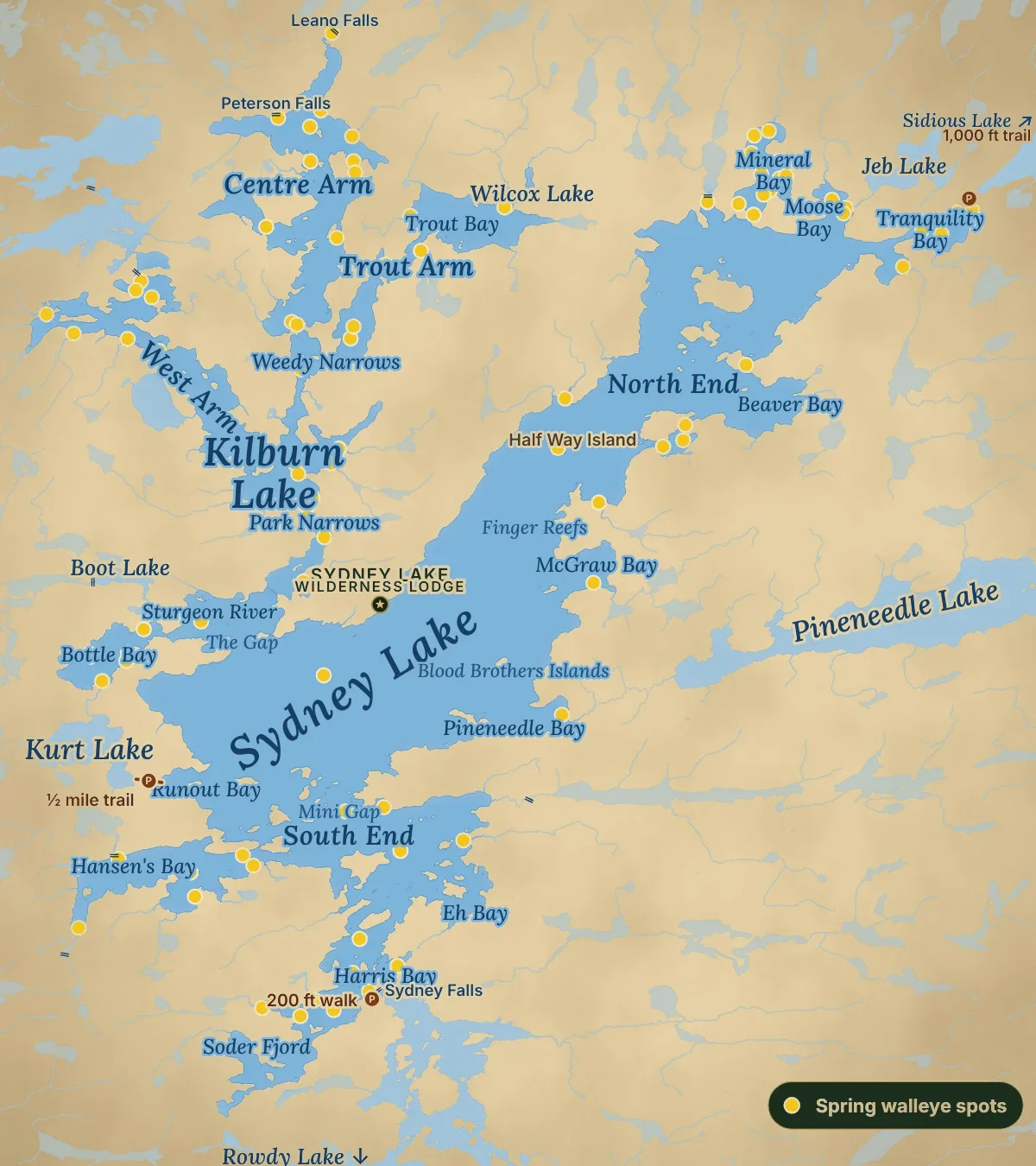
Every group gets a waterproof lake map. We’ll mark these spots, and what’s working that week, when you arrive.
Mineral & Tranquility Bays
Shallow, creek-fed bays at the north end. Packed with walleye in June and early July.
Hansen’s Bay
A big flat at the entrance, beside a small island. A spring hot spot.
Boot Lake
In most years you can run up the creek from Bottle Bay, no portage. Dark, shallow and first to warm up.
Kilburn narrows & bays
Current brings in baitfish, and walleye stay shallow here right through July.
The Gap
Where the Sturgeon River enters Sydney: a 5-foot ridge with 80 feet on one side and 200 on the other. Fish 18–25 feet.
Finger Reefs & Blood Brothers
Minutes from camp. Reefs that drop fast into deep water, and big walleye in August.
Sydney Falls & Rowdy Lake
At the south end of Sydney, the lake drops over Sydney Falls into Rowdy Lake. Tie up, walk the 200-foot portage and fish from shore below the falls. On a clear, calm afternoon you can watch walleye hit your bait.
West Arm of Kilburn
A reef with shallow water on one side and deep on the other; the walleye sit on the break. At the end of the arm, fish the rock cuts and narrows under high cliffs, with three great shore lunch spots close by.
The Mini Gap
A narrows through the islands to the south side, 8 to 25 feet deep. In late September you can catch walleye, pike and lake trout without moving 10 feet.
Kilburn's big-island flat
About 1,000 yards from the narrows, beside a large island. Back-troll slowly at 22 to 26 feet, even into the wind. A fall favourite.
How to catch them
Walleye live on the bottom, not in it. Get your bait down there, keep it moving slowly, and you'll catch fish. Here's what works for us, season by season.
All season
Jig on or near the bottom
Drop your jig to the bottom and bounce it a couple of times. Lift it an inch or two off the bottom, then hold still for a few seconds. That pause is when they bite. I've caught thousands of walleye this way.
Try: a 1/8–3/8 oz jig with a minnow or twister.
Fish off the boat
Cast 10–30 ft out
Sometimes the school sits a few feet away. Cast out, let the lure sink to the bottom and sit for a second, reel a couple of cranks, then let it sit again. This slow stop-and-start retrieve is my favourite, and I mix it with the first when fish are active.
Try: it in your group's walleye tournament.
Spring
3–8 ft · 50–53°F
Protected bays, creek mouths and small lakes like Boot Lake heat up first. Troll the shoreline until, WHAM, you get one, then your partner does. Stop, anchor and jig. Pinch your barbs and use single hooks so you can release fast and keep your line in the water.
Try: spinners trolled in tight circles over the school.
Spring trophies
25–30 ft · 1/2–1 oz jigs
Cast or troll crankbaits like Rapalas and Rattle Traps where shallow water meets deep, with a few casts toward the deep side. Or go big: 1/2 to 1 oz jigs with your largest double-tail grubs, 25 to 100 feet off the break and no deeper than about 35 feet.
Try: the drop-off outside a busy spawning bay.
July and August
12–25 ft on reefs and breaks
By early to mid July walleye move to reefs, sunken islands and offshore structure. The biggest trophies come off big water on sharp cuts, where the depth drops suddenly. Jig mornings and evenings, and back-troll spinners through the day.
Try: pink and white, gold and orange, or chartreuse.
Summer
Best before 1 p.m. and after 5 p.m.
Wind pushes fish onto the windy side of a bay, or deep on the calm side. On bright days you can spot schools on the main lake with polarized glasses. Schools slide shallow to feed at dusk, and it stays light until about 10:30 p.m. in early July and 9:30 in late August.
Try: a swim or a nap midday, then fish late.
Deep water
Sydney averages 65 ft deep
With this much deep water, there's walleye action well below where most anglers look. Humps topping out around 50 feet often hold walleye and lake trout together. A depth finder helps you stay on a school and find the breaks.
Try: renting a Garmin at camp to find the humps.
September
23–32 ft · 3/8–1/2 oz jigs
Fall walleye sit deep and tight to bottom. Drift or back-troll slowly with pink and white jigs and a sensitive rod. When you feel a bite, lift slowly; once you feel the fish's weight, set the hook hard. They often sit so tight to bottom they won't show on a depth finder.
Try: flats and narrows next to deep water.


What to bring
✓1/8–3/8 oz jigs with minnows or twister tails for spring and early summer
✓1/2–1 oz jigs with big double-tail grubs for deep fish
✓Crankbaits such as Rapalas and Rattle Traps, cast or trolled where shallow meets deep
✓Spinner rigs for back-trolling
✓Colours that work here: pink and white, gold and orange, chartreuse
✓10–12 lb line
✓Polarized sunglasses to spot schools on bright days
✓A depth finder: Garmin units are available to rent at camp
Keep your line in the water
When you find a school, the trick is speed. Pinch your barbs and use single hooks: quick releases mean more time on the fish.
Fish mornings until about 1 p.m. and evenings after 5. It stays light until about 10:30 p.m. in early July, so the evening bite runs late.
Full packing & tackle list →Lures and gear
Lure #1
1/16–3/4 oz · mostly 1/8–3/8 oz
Likely the best walleye lure ever made. Bring round-head jigs in plain, orange and chartreuse, orange, pink and white, yellow, white, pink, red and black. Tip them with live bait or a twister tail, and use the lightest line and weight you can. Go heavier on windy days.
Get them to the bottom and bounce them there.
Casting and trolling
Original Floating Rapala · Husky Jerk · Shad Rap
These three catch the most walleye here, and the Shad Rap is likely our best producer of trophy walleye. Cast or troll them where shallow water meets deep.
Try: a Shad Rap along a spring break.
Trolling
Little Joe spinners · Lindy rigs
Hammered blades in nickel, gold and copper, plus chartreuse, orange, pink, yellow and metal-and-colour combos. Vary the sizes and tip them with a minnow or twister tail.
Try: back-trolling slowly, even into the wind.
Rods, reels and boats
5–6½ ft medium or medium-light rod
A fairly stiff rod with good sensitivity gives you control on the hook set. Most guests use spinning reels; some prefer baitcasters. Your boat is a 16-foot Lund with an electric-start Yamaha four-stroke that runs at a slow troll all day without fouling.
Try: 10–12 lb line on a light spinning rod.
Shore lunch and limits
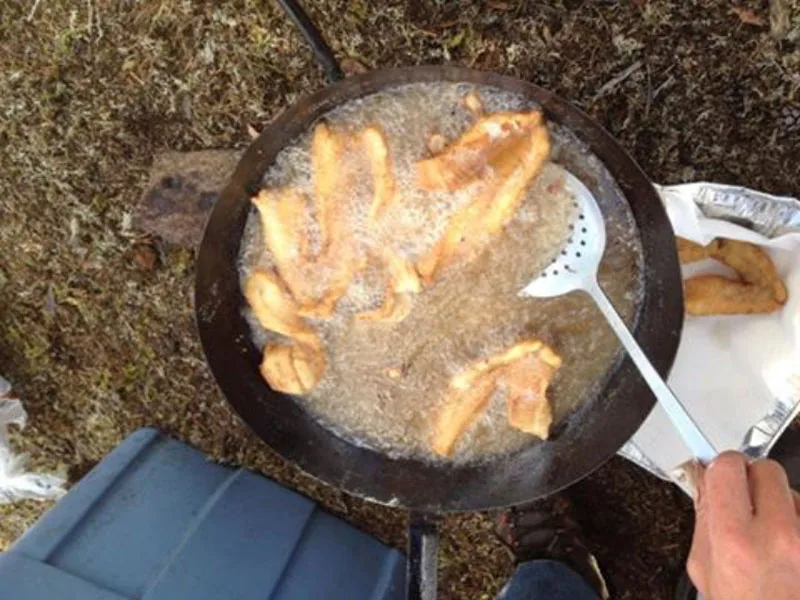
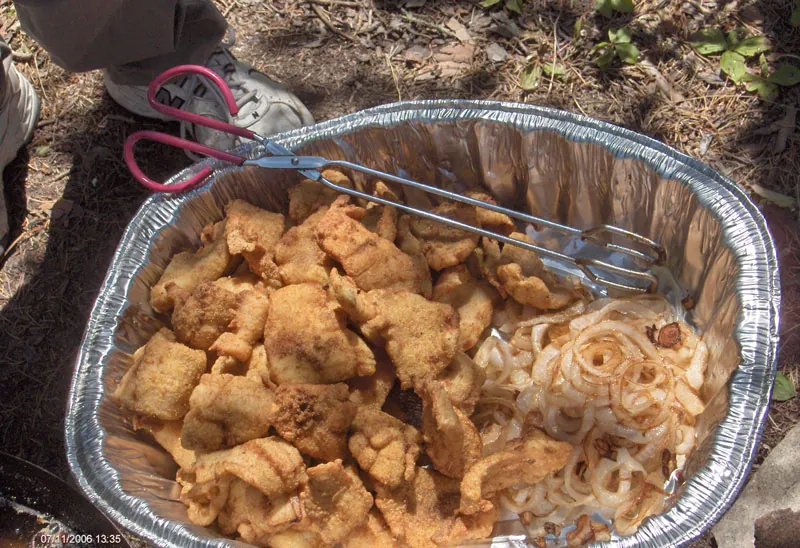
Fresh walleye is the best eating fish in the north. Every cabin has a shore lunch kit with pots, pans, racks and utensils, and propane burners are ready at the dock.
Our camp rule is simple: keep 2 walleye a day, 18 inches or under. Every bigger walleye goes back alive. It’s a big reason the lakes are still full of big fish.
Camp rules for keeping fish: 2 walleye 18″ or under, 2 northern pike 27″ or under, 1 lake trout 30″ or under. The official Ontario limits for the Sydney Lake area are on our licences and limits page.
Licences & limits →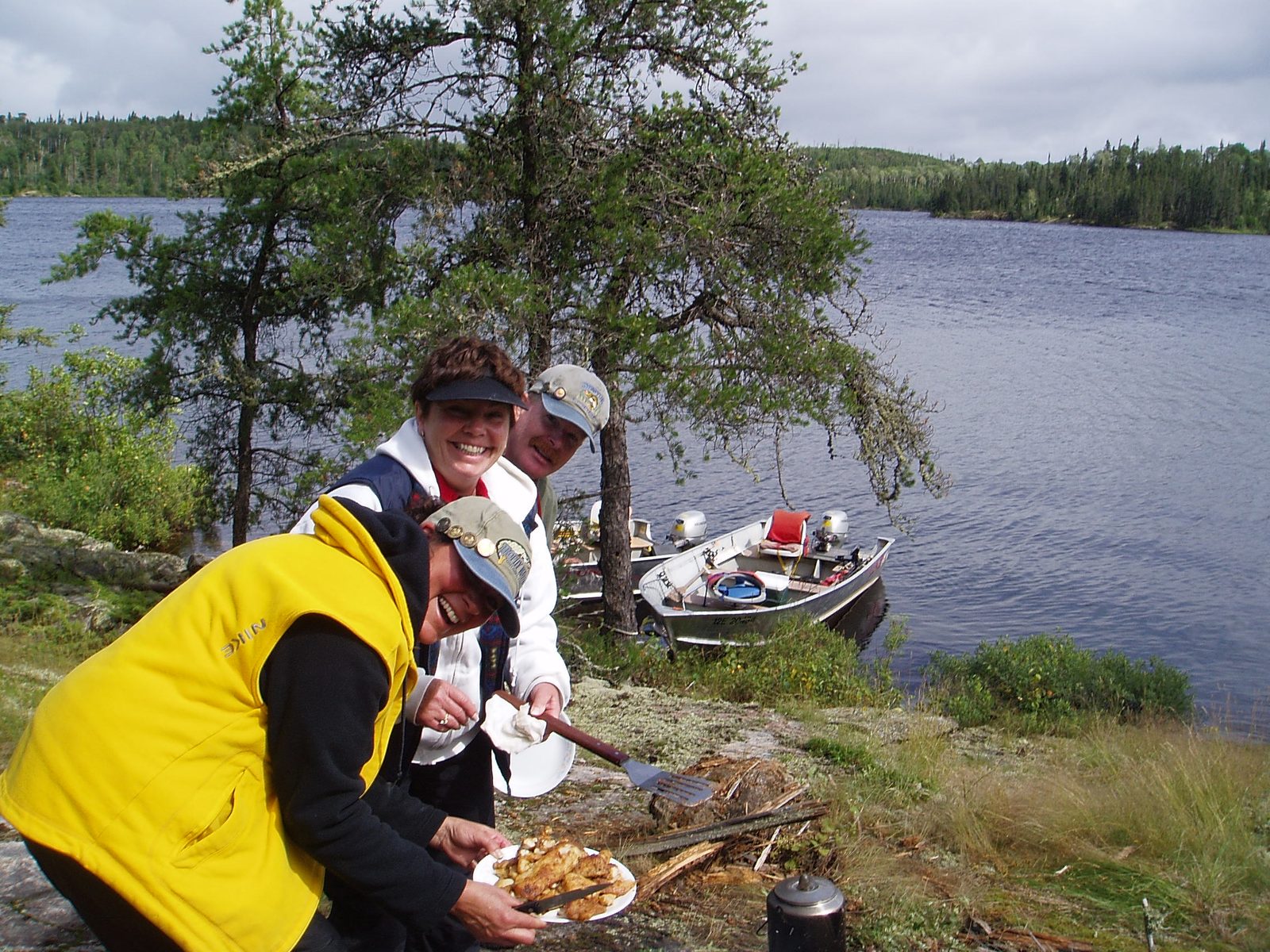
Guest reviews
★★★★★
“If you like catching 300-400 walleyes over 20” long in a week and then throw in some big pike as well, then you need to come to Sydney Lake!”
★★★★★
“Walleye, Walleye, Walleye”
★★★★★
“100’s of walleyes and Pike per day.”
5.0 on Tripadvisor from 12 reviews · 5 stars on Google · Read all guest reviews →
The rare one
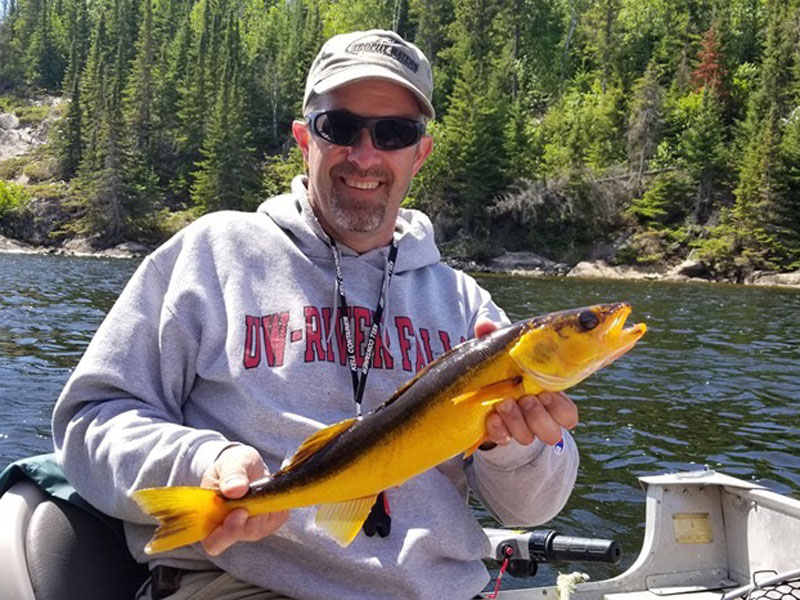
In the 1930s my great-grandfather flew across Northern Ontario looking for the best walleye fishing in Canada. He found Sydney Lake and its rare golden walleye, and that's where our story begins. Every so often one still comes up solid gold. Fishing YouTuber Jay Siemens brought his cameras here in 2024 to find one. Watch how it went.
Golden walleye stories →More fishing on Sydney Lake: Trophy northern pike · Lake trout